





Why Choosing the Right Natural Stone Supplier Matters
Selecting the right natural stone supplier is one of the most important decisions for importers, contractors, distributors, and developers. The quality of materials, consistency of supply, and reliability of service can directly affect project timelines, budgets, and customer satisfaction.
A professional supplier does more than provide products. They become a strategic partner capable of supporting long-term growth, ensuring quality consistency, and helping businesses navigate the challenges of international trade.
Understanding Your Project Requirements
Before evaluating suppliers, businesses should clearly define their project requirements. Different projects require different types of natural stone, finishes, dimensions, and packaging solutions.
Factors such as project size, installation environment, technical specifications, and delivery schedules should be considered before initiating supplier discussions. A clear understanding of requirements helps buyers identify suppliers that are capable of meeting their expectations.
Evaluate Product Quality Standards
Quality remains one of the most critical factors when selecting a natural stone supplier. Buyers should assess product quality carefully before placing any order.
Material Consistency
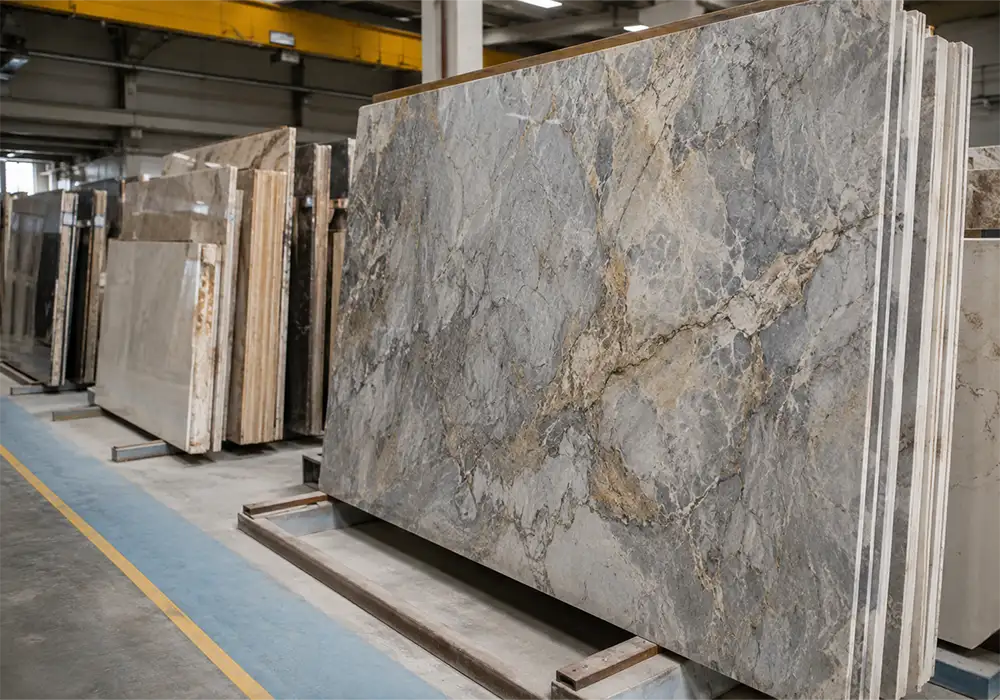
Natural stone products vary by nature, but excessive variation can create challenges for large-scale projects. Suppliers should demonstrate consistency in color, texture, veining, and overall appearance across multiple batches.
Surface Finish Quality
Whether the project requires polished, honed, brushed, or textured surfaces, the finish should be consistent and professionally executed. Uneven finishing can affect both aesthetics and performance.
Dimensional Accuracy
Accurate dimensions are essential for efficient installation. Slabs should maintain consistent thickness and precise measurements to minimize waste and avoid installation complications.
Assess Production Capacity
Production capacity is often overlooked during supplier selection. A supplier may offer high-quality products but lack the ability to fulfill large-volume orders or support ongoing projects.
Importers should evaluate production capabilities, inventory availability, lead times, and scalability. Reliable suppliers can maintain consistent quality while meeting demanding production schedules.
For large international projects, supply continuity is just as important as product quality.
Review Export Experience
International sourcing requires specialized knowledge and experience. An experienced stone export company understands customs procedures, shipping documentation, logistics coordination, and international trade requirements.
Export experience helps reduce delays, minimize risks, and improve communication throughout the supply chain. Businesses should prioritize suppliers with a proven track record in international markets.
Check Packaging Standards
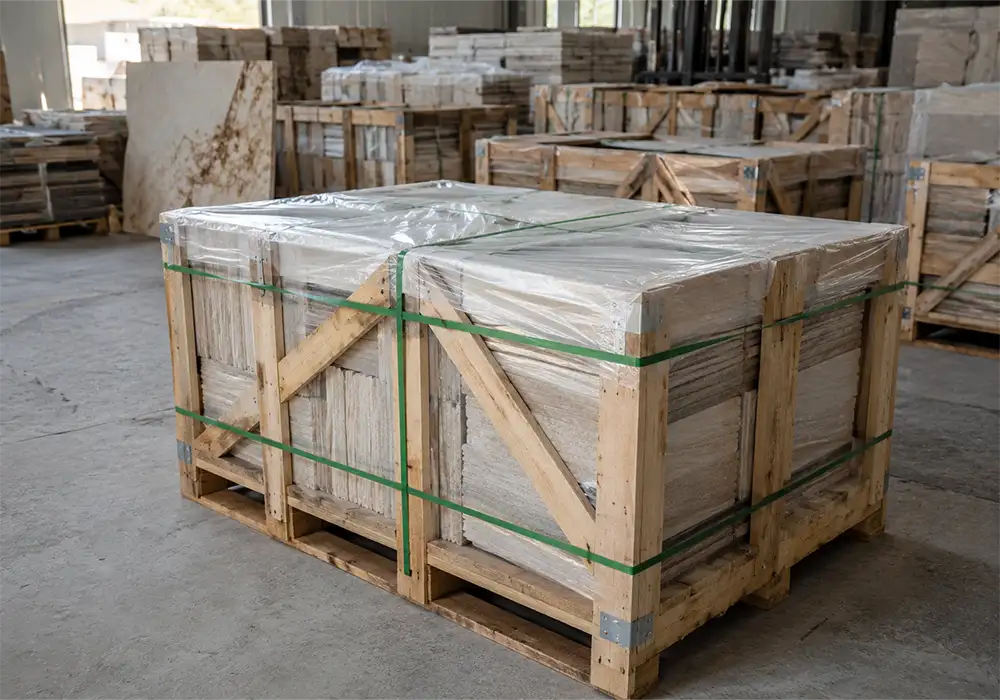
Proper packaging is essential when transporting natural stone products across long distances. Poor packaging can result in damaged materials, financial losses, and project delays.
Professional stone slab suppliers typically use reinforced wooden crates, edge protection systems, moisture-resistant materials, and secure loading methods to protect products during transit.
Importers should always request packaging photographs and details before shipment.
Evaluate Logistics and Delivery Capabilities
Logistics can significantly impact project success. Delayed shipments can disrupt construction schedules and increase costs.
Reliable suppliers work closely with logistics partners to ensure efficient transportation and timely delivery. Buyers should discuss shipping options, delivery timelines, container loading procedures, and freight coordination before placing orders.
A supplier’s ability to manage logistics effectively often reflects their overall professionalism and experience.
Compare Pricing and Overall Value
While pricing is an important consideration, it should not be the sole factor when choosing a natural stone supplier.
The true cost of sourcing stone includes product quality, packaging, transportation, customs fees, logistics support, and after-sales service. Focusing only on the lowest price can lead to higher costs later due to quality issues or supply chain disruptions.
Successful buyers evaluate total value rather than unit price alone.
Importance of Communication and Customer Support
Effective communication is a key indicator of supplier reliability. Suppliers should respond promptly to inquiries, provide accurate information, and maintain transparency throughout the purchasing process.
Strong communication helps prevent misunderstandings and ensures that project requirements are clearly understood by all parties.
Customer support also plays an important role in resolving issues quickly and maintaining long-term business relationships.
Look for Long-Term Partnership Potential
The most successful businesses build long-term partnerships with trusted suppliers. These relationships create opportunities for better pricing, priority production scheduling, consistent quality, and improved service.
A reliable natural stone supplier becomes an extension of your supply chain and contributes to long-term operational stability.
Businesses that invest in strong supplier relationships often gain a competitive advantage in their markets.
Questions to Ask Before Choosing a Natural Stone Supplier
Before finalizing a supplier, buyers should ask several important questions:
- What quality control procedures are in place?
- Can the supplier provide recent project references?
- What packaging methods are used for export shipments?
- How much production capacity is available?
- What are the average lead times?
- Which countries does the supplier currently serve?
- What technical documentation can be provided?
- How are shipping and logistics managed?
The answers to these questions can reveal valuable insights about supplier capabilities and reliability.
Common Mistakes Buyers Should Avoid
Many importers make avoidable mistakes during supplier selection.
One common mistake is choosing suppliers based solely on price. While cost matters, quality and reliability often have a greater impact on long-term success.
Another mistake is failing to request samples before placing large orders. Samples provide an opportunity to verify quality and ensure compatibility with project requirements.
Ignoring packaging standards, overlooking production capacity, and failing to evaluate export experience can also create unnecessary risks.
Taking a structured approach to supplier evaluation helps avoid these challenges.
Conclusion
Choosing the right natural stone supplier requires careful evaluation of multiple factors, including quality standards, production capacity, export experience, packaging practices, logistics capabilities, and communication quality.
Businesses that prioritize long-term value over short-term savings are more likely to build successful supplier relationships and achieve consistent project outcomes.
A trusted supplier not only delivers high-quality materials but also supports business growth through reliability, expertise, and professional service.
Frequently Asked Questions
What is the most important factor when choosing a natural stone supplier?
Product quality, supply consistency, and reliability are generally the most important factors for long-term success.
Why is export experience important?
Export experience helps suppliers manage documentation, logistics, customs procedures, and international shipping requirements more effectively.
How can I verify the quality of a stone slab supplier?
Request product samples, technical specifications, quality inspection reports, and project references before placing an order.
Should I choose the cheapest supplier?
Not necessarily. The best supplier offers the strongest combination of quality, service, reliability, and overall value.