


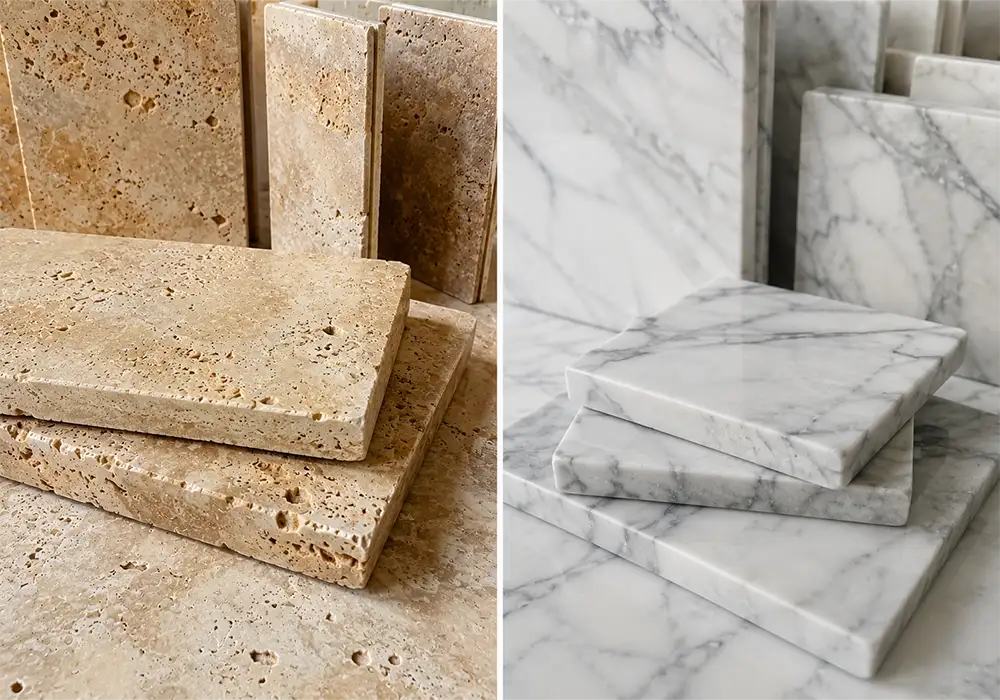
Travertine vs Marble | Natural stone remains one of the most desirable materials in modern architecture and construction. Among the many options available, travertine and marble continue to be two of the most requested materials for residential, commercial, and luxury developments. While both stones offer unique benefits, understanding the differences between them is essential for selecting the right material for a specific project.
This natural stone comparison explores the characteristics, advantages, and applications of travertine and marble to help importers, architects, contractors, and project developers make informed decisions.
Understanding Travertine and Marble
Travertine and marble are both natural stones, but they are formed through different geological processes.
Travertine is a sedimentary stone created by mineral deposits from natural springs. It is known for its textured appearance, natural pores, and warm earthy colors.
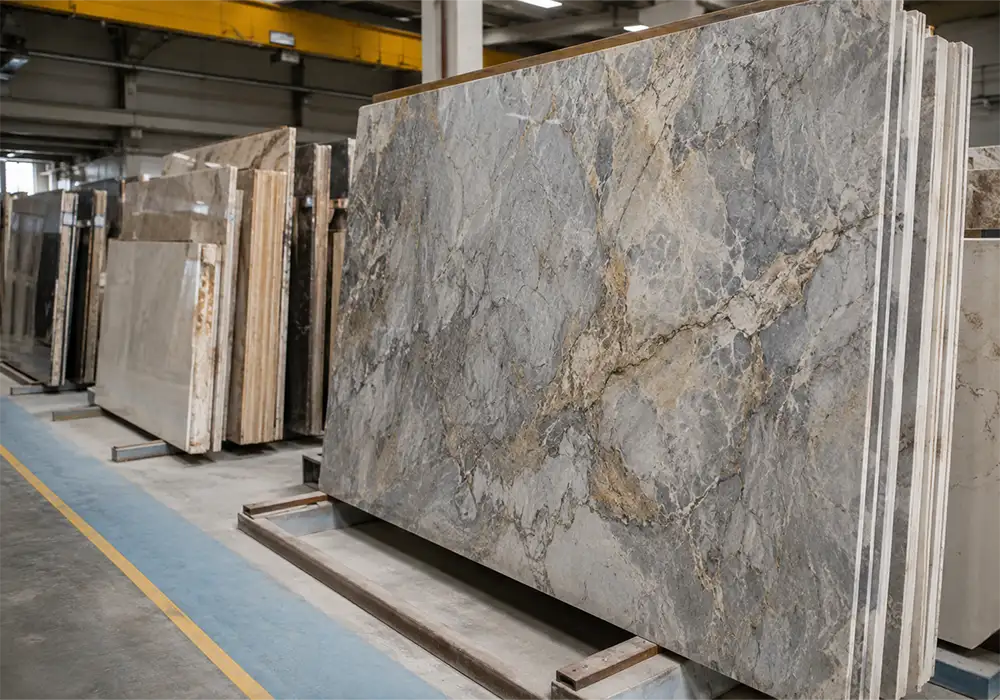
Marble is a metamorphic stone formed when limestone is subjected to heat and pressure over millions of years. This process creates the distinctive veining patterns and luxurious appearance that marble is famous for.
Although both materials are widely used in construction, their performance and visual characteristics differ significantly.
Appearance and Aesthetic Appeal
One of the biggest differences in the travertine vs marble comparison is appearance.
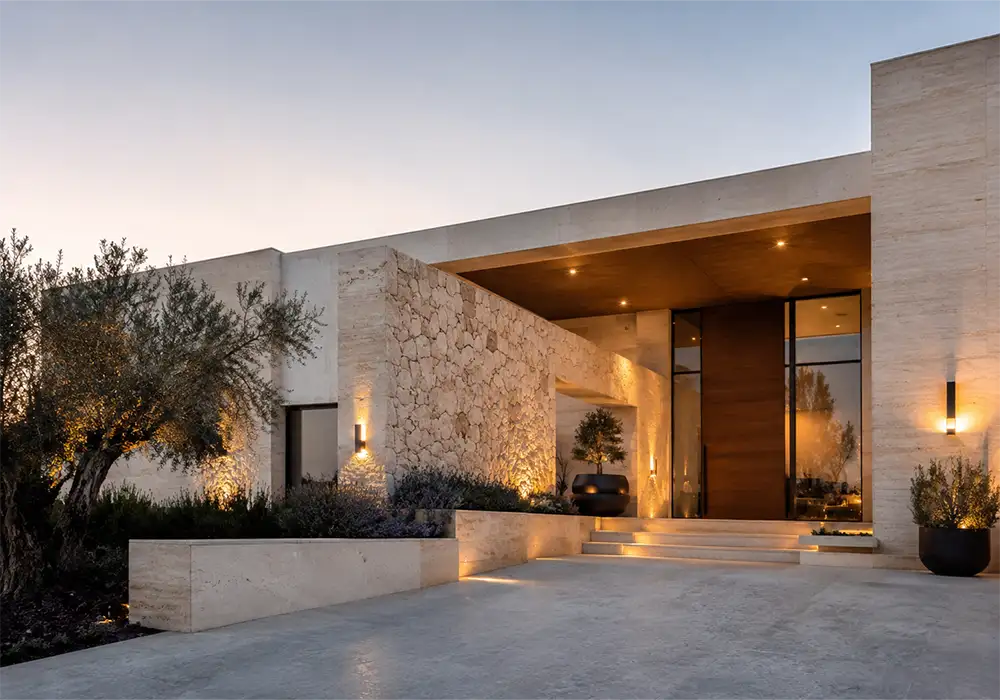
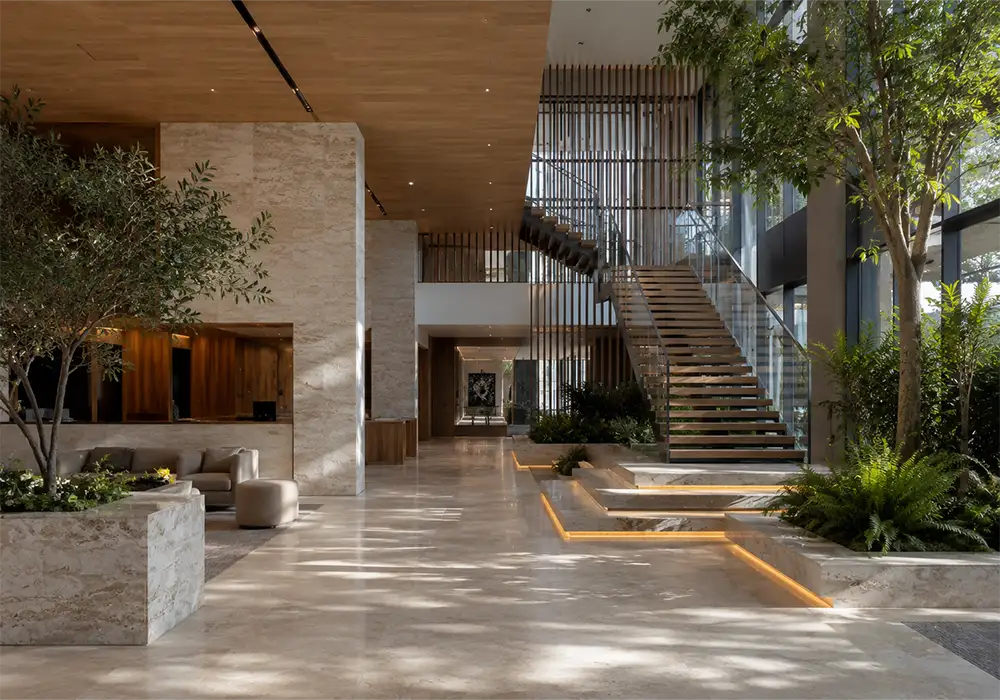
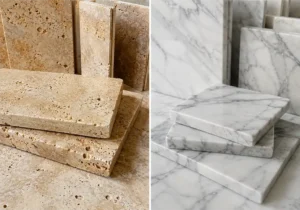
Travertine typically features warm tones such as beige, cream, ivory, walnut, and silver. Its natural texture creates a timeless and organic look that complements both traditional and contemporary architecture.
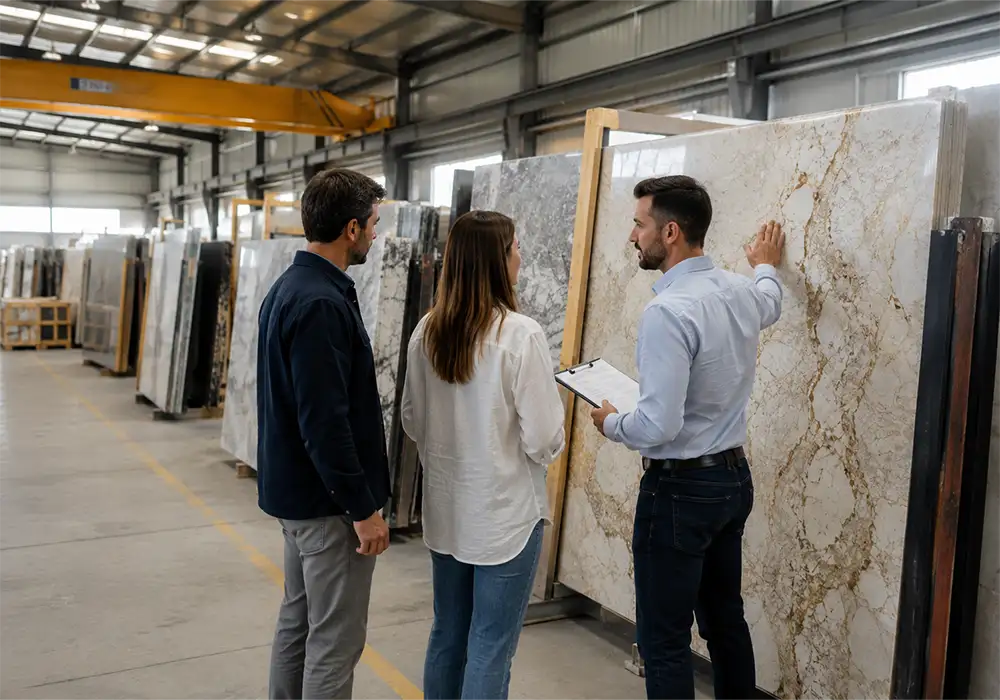
Marble is known for its elegant veining and sophisticated appearance. Available in white, gray, black, green, and other colors, marble is often associated with luxury interiors and premium architectural projects.
For projects seeking a natural and understated aesthetic, travertine is often preferred. For high-end luxury environments, marble is frequently the material of choice.
Durability and Performance
Durability is a critical factor when selecting the best stone for commercial projects.
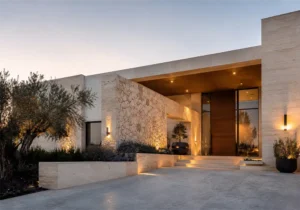
Travertine offers excellent durability and performs well in both indoor and outdoor environments. It is commonly used for facades, landscaping, patios, flooring, and public spaces.
Marble is also durable but tends to be more sensitive to acidic substances and surface scratching. While it performs exceptionally well in interior environments, additional care may be required in high-traffic areas.
For exterior applications and demanding environments, travertine often provides a practical advantage.
Maintenance Requirements
Maintenance is another important consideration in any natural stone comparison.
Travertine generally requires periodic sealing to protect its porous surface. Once properly maintained, it can provide decades of reliable performance.
Marble also requires sealing and regular care. Because it is more susceptible to etching and staining, maintenance requirements are often higher compared to travertine.
Projects that prioritize ease of maintenance may benefit from selecting travertine over marble.
Cost Comparison
Budget considerations frequently influence material selection.
Travertine is often considered a cost-effective natural stone solution for large-scale projects. Its balance of durability, aesthetics, and affordability makes it popular among contractors and developers.
Marble is generally more expensive due to its luxurious appearance and market demand. Premium marble varieties can significantly increase project costs, particularly in large commercial developments.
For buyers seeking strong value and architectural appeal, travertine often delivers an excellent return on investment.
Applications of Travertine
Travertine is widely used across various architectural and construction applications.
Common uses include:
- Exterior facades
- Flooring
- Wall cladding
- Pool surrounds
- Landscaping
- Patios
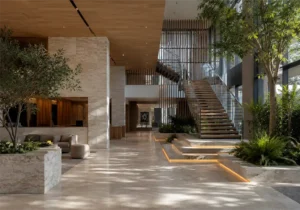
- Staircases
- Commercial developments
- Hospitality projects
Its versatility makes it one of the most practical natural stones available.
Applications of Marble
Marble is commonly selected for projects where elegance and luxury are primary objectives.
Popular applications include:
- Luxury hotel interiors
- Residential flooring
- Feature walls
- Reception areas
- Bathroom surfaces
- High-end retail spaces
- Decorative architectural elements
Its distinctive appearance creates a premium visual impact.
Sustainability and Longevity
Both travertine and marble are natural materials with long service lives when properly maintained.
Their durability reduces replacement requirements and supports sustainable construction practices. Natural stone products are often preferred over synthetic alternatives due to their longevity and timeless appeal.
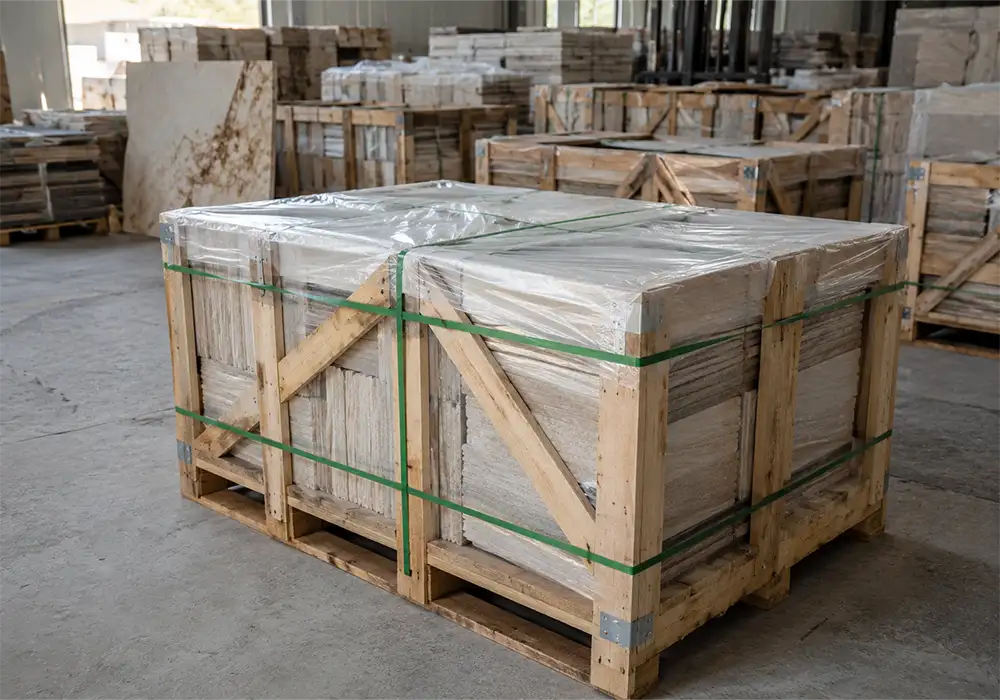
Choosing high-quality materials from a reliable supplier further enhances long-term performance.
Which Stone Is Better for Commercial Projects?
The answer depends on project objectives.
Travertine is often considered the best stone for commercial projects that require durability, versatility, and cost efficiency. Its performance in both indoor and outdoor environments makes it suitable for a wide range of applications.
Marble is typically preferred when luxury aesthetics and premium design are the primary priorities. High-end hotels, luxury residences, and executive spaces frequently utilize marble to create sophisticated environments.
Both materials offer excellent value when selected for the appropriate application.
Factors to Consider Before Making a Decision
Before choosing between travertine and marble, buyers should evaluate:
- Project budget
- Installation environment
- Maintenance expectations
- Design objectives
- Traffic levels
- Climate conditions
- Long-term performance requirements
Considering these factors helps ensure the selected material aligns with project goals.
Conclusion
When comparing travertine vs marble, there is no universal winner. Each material offers unique benefits that make it suitable for specific applications.
Travertine provides exceptional versatility, durability, and value, making it an excellent choice for both commercial and residential projects. Marble offers unmatched elegance and visual sophistication, making it ideal for luxury interiors and premium developments.
The best choice depends on project requirements, budget considerations, and desired aesthetics. By understanding the strengths of each material, buyers can confidently select the natural stone that delivers the greatest long-term value.
Frequently Asked Questions
Is travertine more durable than marble?
Travertine generally performs better in outdoor environments and high-traffic applications, while marble is often preferred for luxury interior spaces.
Which stone is more expensive, travertine or marble?
Marble is typically more expensive due to its premium appearance and market demand.
Is travertine suitable for commercial projects?
Yes. Travertine is widely used in commercial buildings, hotels, public spaces, and exterior applications.
Which stone requires more maintenance?
Marble generally requires more maintenance because it is more susceptible to staining, scratching, and etching.