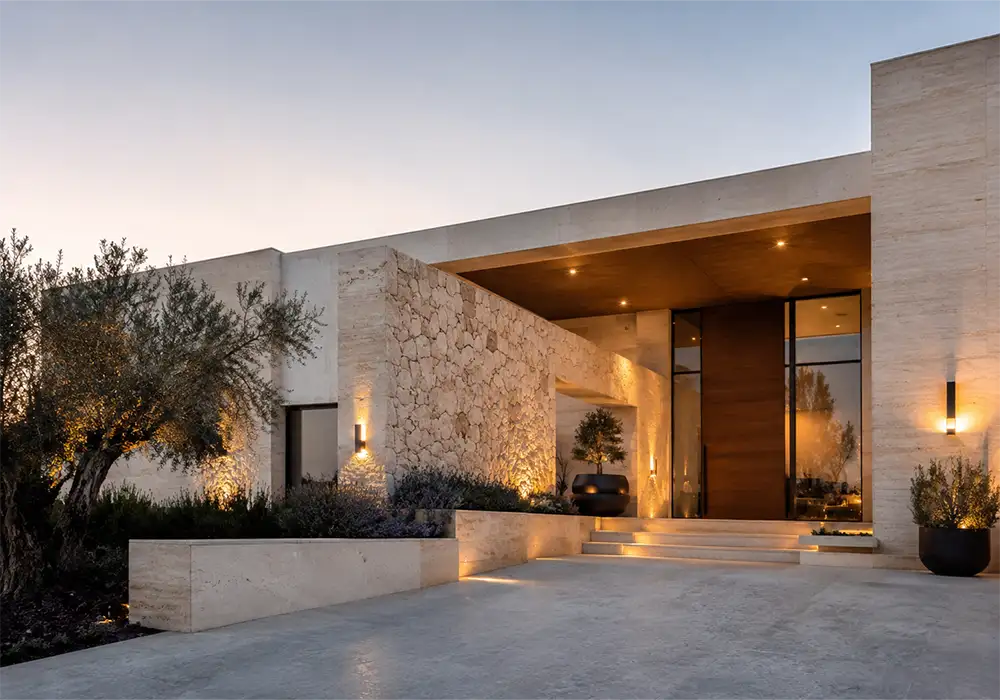



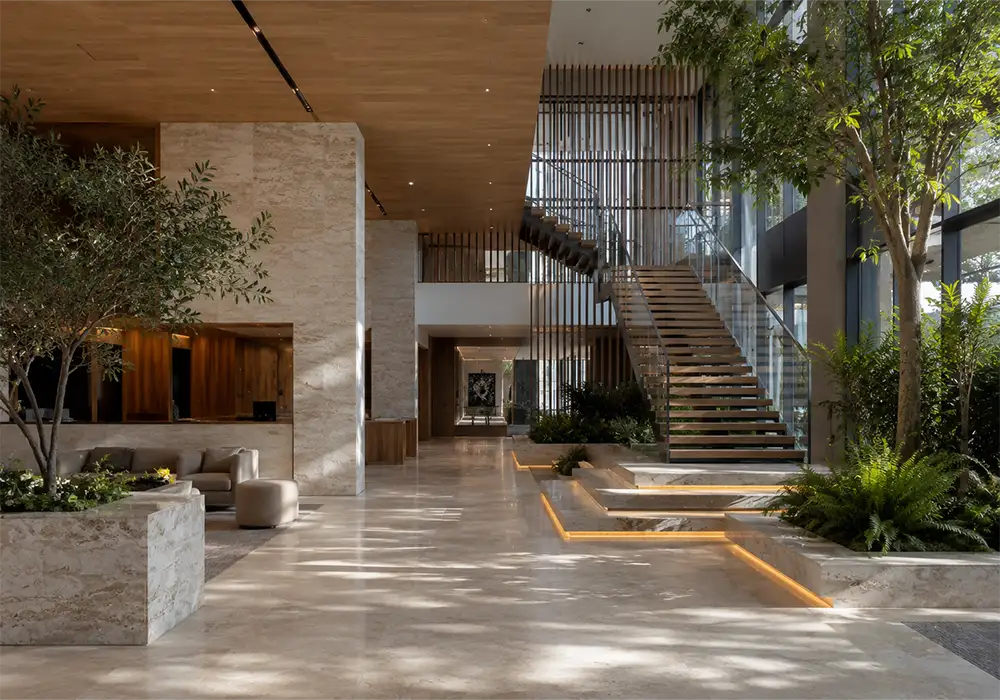
Natural stone has remained one of the most valued construction materials for centuries. While architectural styles continue to evolve, the demand for premium natural materials remains stronger than ever. Architects, developers, and designers increasingly incorporate natural stone into modern projects because of its durability, timeless appeal, and sustainable characteristics.
The latest natural stone trends demonstrate a shift toward larger formats, sustainable sourcing, textured finishes, and seamless integration between indoor and outdoor spaces. As the construction industry moves toward more sophisticated and environmentally conscious designs, natural stone continues to play a central role in shaping the future of architecture.
Why Natural Stone Remains Popular in Modern Architecture
Among all modern architecture materials, natural stone continues to stand out because of its unique combination of beauty and performance.
Unlike manufactured alternatives, natural stone offers:
- Unique patterns and textures
- Long-term durability
- Low maintenance requirements
- Sustainable characteristics
- Timeless visual appeal
- High perceived value
These advantages make natural stone an attractive choice for both residential and commercial developments.
Large-Format Stone Slabs Continue to Dominate
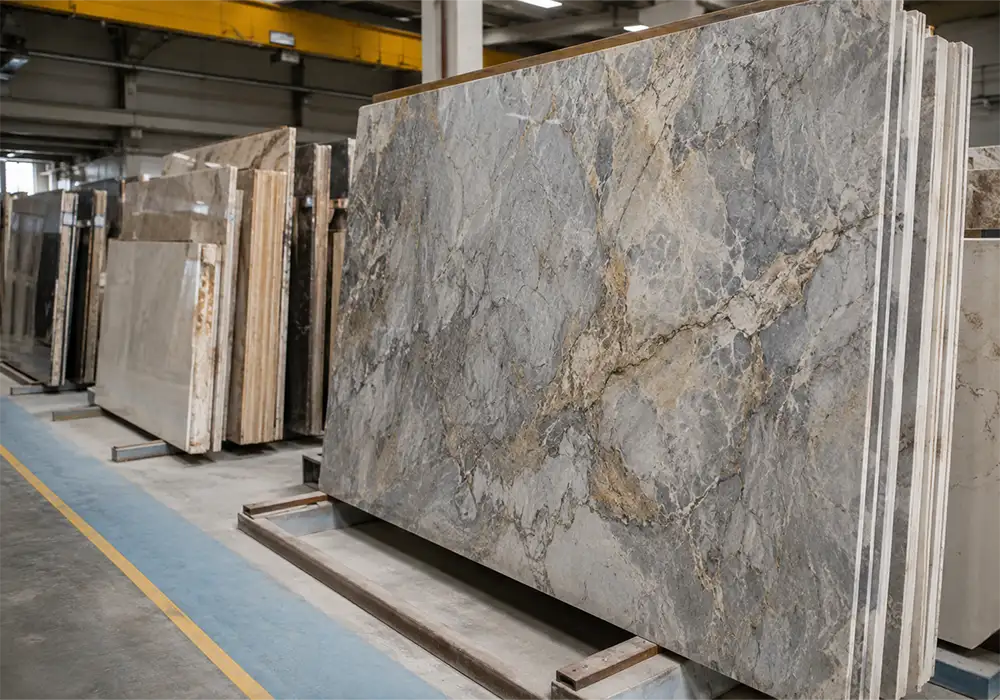
One of the most significant natural stone trends is the growing popularity of large-format slabs.
Architects increasingly prefer oversized stone panels because they create cleaner visual lines and reduce grout joints. Large-format slabs are widely used in:
- Luxury residential interiors
- Hotel lobbies
- Commercial buildings
- Feature walls
- Reception areas
- High-end retail spaces
Their seamless appearance contributes to a modern and sophisticated design aesthetic.
Sustainable Materials Are Driving Design Decisions
Sustainability has become a major factor in architectural planning.
Many developers are selecting natural stone because of its longevity and reduced environmental impact compared to synthetic alternatives. Durable materials require fewer replacements over time, helping reduce waste and long-term resource consumption.
As sustainability standards continue to evolve, responsibly sourced natural stone is expected to remain an important component of modern architecture materials.
Textured Finishes Are Gaining Popularity
Polished surfaces remain popular, but textured finishes are becoming increasingly common in contemporary projects.
Designers are incorporating:
- Brushed finishes
- Leathered finishes
- Honed surfaces
- Flamed textures
- Natural split-face applications
These finishes add depth and character while creating a more organic connection to natural materials.
This shift represents one of the most visible stone design trends in recent years.
Indoor and Outdoor Spaces Are Becoming More Connected
Modern architecture increasingly emphasizes continuity between interior and exterior environments.
Natural stone supports this design approach by allowing the same material to be used across multiple spaces. Travertine, limestone, and granite are commonly used to create visual transitions between:
- Living areas
- Outdoor terraces
- Pool decks
- Garden spaces
- Commercial courtyards
This seamless integration creates a stronger sense of openness and connection with the surrounding environment.
Neutral Color Palettes Continue to Lead
Color preferences continue to evolve, but neutral tones remain dominant within current natural stone trends.
Popular colors include:
- Beige
- Ivory
- Cream
- Light gray
- Silver
- Soft earth tones
These colors complement a wide range of architectural styles and provide long-term design flexibility.
Neutral stone palettes also support minimalist and contemporary design concepts that remain highly desirable in global markets.
Natural Stone in Luxury Hospitality Projects
The hospitality industry continues to be a major driver of natural stone demand.
Luxury hotels, resorts, and high-end residential developments increasingly use stone to create premium environments that emphasize authenticity and quality.
Common applications include:
- Lobby flooring
- Reception desks
- Spa facilities
- Feature walls
- Outdoor entertainment areas
The ability of natural stone to communicate exclusivity and sophistication makes it a preferred material for luxury projects.
Technology Is Expanding Design Possibilities
Advancements in stone processing technology are creating new opportunities for architects and designers.
Modern fabrication techniques allow for:
- Precision cutting
- Complex geometric patterns
- Custom finishes
- Thin stone applications
- Large-scale installations
These innovations are helping expand the role of natural stone within contemporary architecture and supporting new stone design trends.
Natural Stone for Commercial Buildings
Commercial developers continue to prioritize materials that balance aesthetics with performance.
Natural stone offers several advantages for commercial projects:
- Long service life
- Strong durability
- Premium appearance
- Reduced maintenance costs
- Excellent design flexibility
As a result, natural stone remains one of the most trusted modern architecture materials for office buildings, retail developments, and mixed-use projects.
The Rise of Statement Stone Features
Architects are increasingly using natural stone as a focal point rather than simply a finishing material.
Statement features include:
- Full-height stone walls
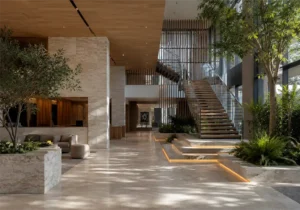
- Monumental staircases
- Sculptural stone elements
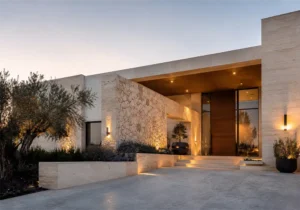
- Feature facades
- Signature reception areas
These installations create memorable spaces and reinforce a project’s architectural identity.
What These Trends Mean for Importers and Developers
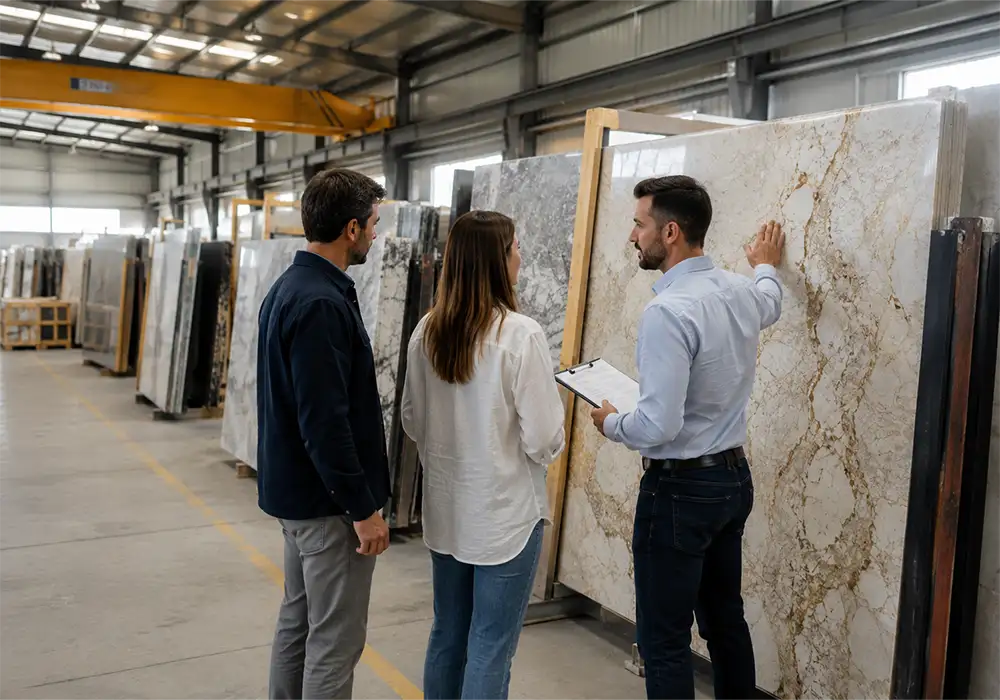
Understanding natural stone trends can help importers, distributors, and developers make better sourcing decisions.
Products that align with current architectural preferences are more likely to attract demand and remain competitive in evolving markets.
Businesses that stay informed about design trends can better anticipate customer needs and strengthen their market position.
Conclusion
The future of natural stone in architecture remains exceptionally strong. Trends such as large-format slabs, sustainable materials, textured finishes, neutral color palettes, and seamless indoor-outdoor integration continue to influence modern construction projects worldwide.
As architects and developers seek materials that combine beauty, durability, and sustainability, natural stone remains one of the most valuable and versatile options available.
For suppliers, importers, and construction professionals, understanding these natural stone trends provides valuable insights into the future direction of the global building industry.
Frequently Asked Questions
What are the biggest natural stone trends in 2026?
Large-format slabs, textured finishes, sustainable sourcing, neutral color palettes, and indoor-outdoor design integration are among the leading trends.
Why is natural stone popular in modern architecture?
Natural stone offers durability, timeless beauty, sustainability, and premium visual appeal, making it suitable for a wide range of projects.
Which natural stones are currently most popular?
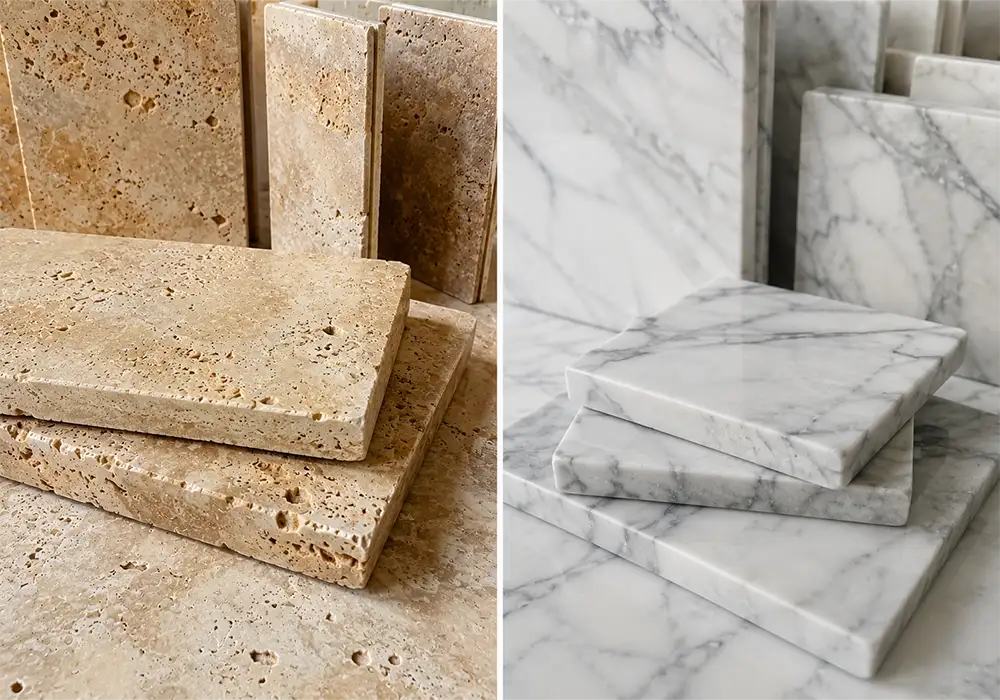
Travertine, marble, limestone, granite, and onyx remain among the most widely used materials in contemporary architecture.
Is natural stone a sustainable building material?
Yes. Natural stone is durable, long-lasting, and often considered a sustainable choice due to its longevity and minimal processing requirements.